
The construction industry is constantly evolving, with new technologies and techniques emerging regularly. However, the foundation of any successful build remains the same: a skilled workforce equipped with the right tools. This guide provides a comprehensive overview of essential construction tools every builder should understand in 2025, focusing on their function, selection, and long-term maintenance. Understanding these tools is crucial for efficiency, safety, and ultimately, delivering high-quality construction projects.
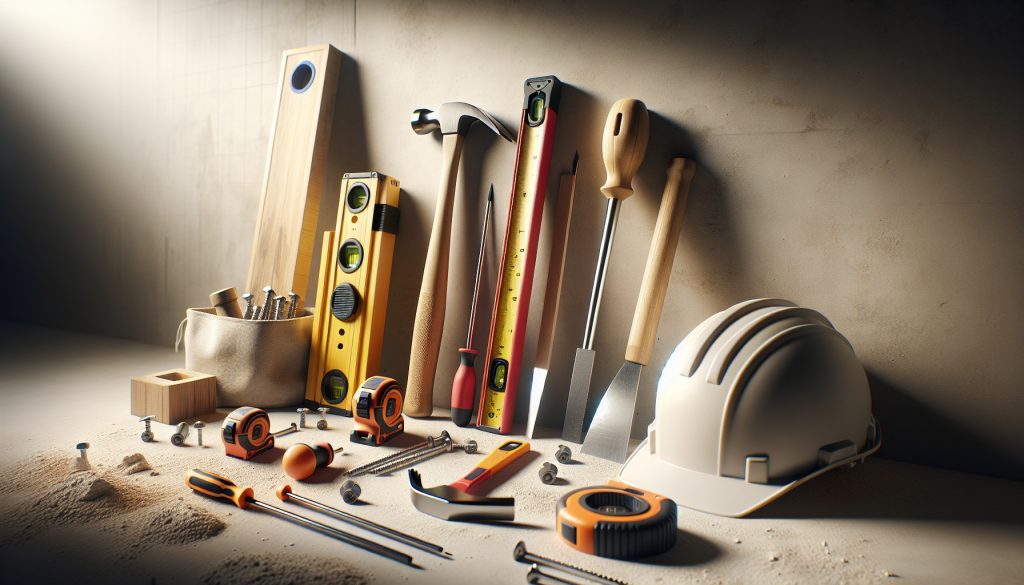
This guide will not cover every single tool available, but instead focus on the core essentials. We’ll explore both powered and unpowered tools, emphasizing the importance of understanding their specific applications and limitations.
I. Essential Hand Tools
While power tools offer speed and efficiency, hand tools remain indispensable for precision work, tight spaces, and situations where electricity isn’t readily available.
A. Measuring and Layout Tools
Accuracy is paramount in construction. These tools ensure precise measurements and layouts.
- Tape Measure: A retractable measuring tape is a staple. Look for models with a magnetic tip and a durable casing. Consider longer lengths for larger projects. Metric and Imperial measurements are both common, so choose one you’re comfortable with, or find a dual-measurement tape.
- Level: Used to determine if a surface is perfectly horizontal or vertical. Spirit levels are common, but laser levels are gaining popularity for their accuracy and range.
- Square: Speed squares, framing squares, and combination squares are essential for marking right angles and ensuring structures are square. A speed square is particularly useful for quickly marking angles for cuts.
- Chalk Line: A tool for marking long, straight lines. Fill it with chalk and snap the line to transfer the chalk to the surface.
- Plumb Bob: A weight suspended from a line, used to establish a vertical reference. Useful for aligning posts and walls.
B. Cutting Tools
From framing lumber to drywall, these tools handle various cutting tasks.
- Hand Saw: Essential for manual cutting of wood. Different types, like crosscut saws and rip saws, are designed for different cutting directions.
- Utility Knife: A versatile tool for cutting various materials, including drywall, roofing felt, and insulation. Always use a sharp blade and wear gloves.
- Hacksaw: Used for cutting metal pipes, rods, and other metal components.
- Tin Snips: Designed for cutting sheet metal.
C. Fastening Tools
These tools are used to join materials together.
- Hammer: A claw hammer is a standard tool for driving nails and removing them. Consider the weight of the hammer based on the type of work you’ll be doing.
- Screwdrivers: A variety of screwdrivers, including Phillips head and flathead, are necessary for driving screws. Invest in a good-quality set with different sizes.
- Wrench Set: Adjustable wrenches and socket sets are essential for tightening nuts and bolts.
- Pliers: Various types of pliers, including slip-joint pliers, needle-nose pliers, and locking pliers, are useful for gripping, bending, and cutting.
II. Essential Power Tools
Power tools significantly increase efficiency and productivity on construction sites. However, they also require proper training and safety precautions.
A. Cutting Power Tools
- Circular Saw: A versatile tool for cutting wood, plywood, and other materials. Different blades are available for different materials.
- Reciprocating Saw (Sawzall): Used for demolition work and cutting through various materials, including wood, metal, and plastic.
- Jigsaw: Ideal for cutting curves and intricate shapes in wood and other materials.
- Miter Saw: Designed for making precise angle cuts in wood. Essential for trim work and framing.
- Angle Grinder: A versatile tool for grinding, cutting, and polishing metal and other materials.
B. Drilling and Fastening Power Tools
- Drill/Driver: A cordless drill/driver is an essential tool for drilling holes and driving screws. Look for models with variable speed and multiple clutch settings.
- Impact Driver: Provides more torque than a drill/driver, making it ideal for driving large screws and bolts.
- Hammer Drill: Used for drilling holes in concrete and masonry.
- Nail Gun: Speeds up the process of driving nails. Different types of nail guns are available for different applications, such as framing, roofing, and finishing.
C. Other Essential Power Tools
- Power Sander: Used for smoothing and preparing surfaces for finishing. Different types of sanders are available, including orbital sanders, belt sanders, and detail sanders.
- Planer: Used for shaving thin layers of wood to create a smooth, even surface.
- Concrete Mixer: For smaller projects, a portable concrete mixer can be a lifesaver.
III. Evaluating and Selecting Construction Tools
Choosing the right tool for the job is crucial for safety, efficiency, and quality. Here’s a guide to evaluating and selecting the appropriate tools:
A. Assessing Project Needs
Before purchasing any tools, carefully assess the specific needs of the project. Consider the types of materials you’ll be working with, the size and complexity of the project, and the frequency with which you’ll be using the tools. For instance, a large-scale framing project will require a powerful nail gun and a high-quality circular saw, while a smaller renovation project might only need a basic drill/driver and a hand saw.
B. Quality vs. Price
It’s tempting to opt for the cheapest tools available, but investing in quality tools can save you money in the long run. Higher-quality tools are typically more durable, more accurate, and more comfortable to use. They also tend to last longer, reducing the need for frequent replacements. Consider reading online reviews and comparing different brands before making a purchase. A good balance between quality and price is essential, but always prioritize quality for tools you’ll be using frequently.
C. Ergonomics and Comfort
Construction work can be physically demanding, so it’s important to choose tools that are comfortable to use. Look for tools with ergonomic handles, balanced weight distribution, and features that reduce vibration. Try out different tools in a store before buying them to see how they feel in your hands. Consider the weight of the tool, especially if you’ll be using it for extended periods. Lighter tools can reduce fatigue and improve accuracy.
D. Corded vs. Cordless
Cordless power tools offer greater mobility and convenience, but they also have limitations. Cordless tools typically have less power than corded tools, and they require batteries that need to be charged regularly. Corded tools offer consistent power and don’t require batteries, but they can be less convenient to use in certain situations. Consider the trade-offs between power and portability when choosing between corded and cordless tools. For heavy-duty applications, corded tools are often the better choice, while cordless tools are ideal for tasks that require mobility.
E. Safety Features
Safety should always be a top priority when selecting construction tools. Look for tools with safety features such as blade guards, safety switches, and anti-kickback mechanisms. Read the manufacturer’s instructions carefully before using any tool and always wear appropriate personal protective equipment (PPE), such as safety glasses, gloves, and hearing protection.
F. Brand Reputation and Warranty
Choose tools from reputable brands that are known for their quality and reliability. Look for tools with a good warranty to protect your investment. A good warranty can provide peace of mind and cover the cost of repairs or replacements in case of defects.
IV. Long-Term Considerations: Maintenance and Ownership Costs
Owning construction tools involves more than just the initial purchase price. Proper maintenance and storage are essential for extending the lifespan of your tools and ensuring they operate safely and efficiently. Here’s a look at some long-term considerations:
A. Regular Cleaning and Maintenance
Dirt, dust, and debris can damage tools and reduce their performance. Clean your tools regularly with a brush, cloth, and appropriate cleaning solutions. Lubricate moving parts as needed to prevent corrosion and ensure smooth operation. Sharpen blades and drill bits regularly to maintain their cutting efficiency. For power tools, check the cords and plugs for damage and replace them as needed.
B. Proper Storage
Store your tools in a dry, secure location to protect them from the elements and prevent theft. Use toolboxes, cabinets, and racks to organize your tools and keep them readily accessible. Avoid storing tools in damp or humid environments, as this can lead to corrosion. For power tools, store them with the batteries removed to prevent accidental activation.
C. Battery Maintenance (for Cordless Tools)
Proper battery maintenance is crucial for extending the lifespan of your cordless tools. Follow the manufacturer’s instructions for charging and storing batteries. Avoid overcharging or deep discharging batteries, as this can damage them. Store batteries in a cool, dry place when not in use. Consider investing in extra batteries to avoid downtime on the job site.
D. Repair and Replacement Costs
Even with proper maintenance, tools will eventually require repairs or replacements. Budget for these costs when estimating the overall cost of ownership. Consider the availability of replacement parts and the cost of repairs when choosing tools. Some tools are more difficult and expensive to repair than others. Factor in the potential for obsolescence, especially for power tools, as technology continues to advance.
E. Calibration and Accuracy Checks
Measuring tools, such as levels and squares, can lose their accuracy over time. Calibrate these tools regularly to ensure they provide accurate measurements. Use a known reference point to check the accuracy of your tools and adjust them as needed. Consider having your tools professionally calibrated if you require a high level of accuracy. ISO standards are relevant to some tool calibrations.
F. Safety Inspections
Conduct regular safety inspections of your tools to identify potential hazards. Check for loose parts, frayed cords, and damaged blades. Repair or replace any tools that are unsafe to use. Keep a record of your safety inspections and maintenance activities.
V. Table: Essential Construction Tool Comparison (2025 Prices)
| Tool | Type | Average Price (USD) | Pros | Cons |
|---|---|---|---|---|
| Cordless Drill/Driver | Power Tool | $150 – $300 | Portable, versatile | Limited power, requires battery charging |
| Circular Saw | Power Tool | $100 – $250 | Fast, efficient cutting | Can be dangerous if not used properly |
| Hammer | Hand Tool | $20 – $50 | Essential for nailing | Requires manual effort |
| Tape Measure (25 ft) | Hand Tool | $15 – $30 | Accurate measurement | Can be damaged easily |
| Level (24 inch) | Hand Tool | $25 – $50 | Ensures level surfaces | Requires careful handling |
| Laser Level | Power Tool | $100 – $500 | Highly accurate, long range | More expensive, requires batteries |
| Miter Saw | Power Tool | $200 – $600 | Precise angle cuts | Large, requires space |
VI. FAQ (Frequently Asked Questions)
- Q: What are the most essential hand tools for a beginner builder?
A: A basic set of essential hand tools for a beginner builder includes a tape measure, level, hammer, screwdrivers (Phillips and flathead), utility knife, and a combination square. - Q: Should I buy corded or cordless power tools?
A: The choice between corded and cordless power tools depends on your specific needs and preferences. Cordless tools offer greater mobility and convenience, while corded tools provide consistent power. Consider the trade-offs between power and portability when making your decision. - Q: How often should I clean and maintain my tools?
A: You should clean your tools regularly, ideally after each use. Lubricate moving parts as needed and sharpen blades regularly. Follow the manufacturer’s instructions for specific maintenance procedures. - Q: What is the most important safety precaution to take when using power tools?
A: Always wear appropriate personal protective equipment (PPE), such as safety glasses, gloves, and hearing protection, when using power tools. Read the manufacturer’s instructions carefully before using any tool. - Q: How can I extend the life of my cordless tool batteries?
A: Avoid overcharging or deep discharging batteries. Store batteries in a cool, dry place when not in use. Follow the manufacturer’s instructions for charging and storing batteries.
Disclaimer: Prices are accurate as of 2025 and may vary depending on the retailer and brand. This information is for informational purposes only and should not be considered professional advice. Always consult with a qualified expert before undertaking any construction project.
VII. Sources
- Occupational Safety and Health Administration (OSHA)
- National Institute of Standards and Technology (NIST)
- Tools of the Trade
In conclusion, understanding and properly utilizing essential construction tools is fundamental for any builder aiming for success in 2025. Prioritize quality, safety, and regular maintenance to ensure your tools remain reliable and efficient. By carefully selecting the right tools for each task and adhering to best practices, you can enhance productivity, minimize risks, and deliver exceptional construction outcomes.